In systematis gas distribuendi naturalibus, pressionis administratio libitum non est. Hoc fundamentale ipsum postulationem est. A Gas pressura regulans arca clausura praecongregata est, quae domicilia pressionis moderatio partium, salutis machinis, et interfaces metrorum in una unitate tutata est. Summus pressuras gas ex summa copia accipit et eam in stabili, inferiori pressione ad usum instrumentorum finiendum tradit. Procuratores procurationis, redemptores et machinae systematis, hanc machinam in gradu technico intellegentes necessariam esse ad rectam specificationem et ad diuturnum systematis fidem.
Core Munus and Operating Principium
Praecipuum munus a Gas pressura regulans arca est copia pressionis fluminis minuere et stabilire ad pressionem amni praefiniti traditionis. Impetus fluminis in media-pressione retiacula urbana distributio typice vagantur ab 0.1 MPa ad 0.4 MPa. Instrumentum residentiale finis-usus plerumque requirit pressuram partus inter 1,000 Pa et 3,000 Pa. Arca moderatrix debet hanc differentialem tuto et continenter ponte fluere sub condicionibus variabilibus.
Quam Impetus Ordinatione Works
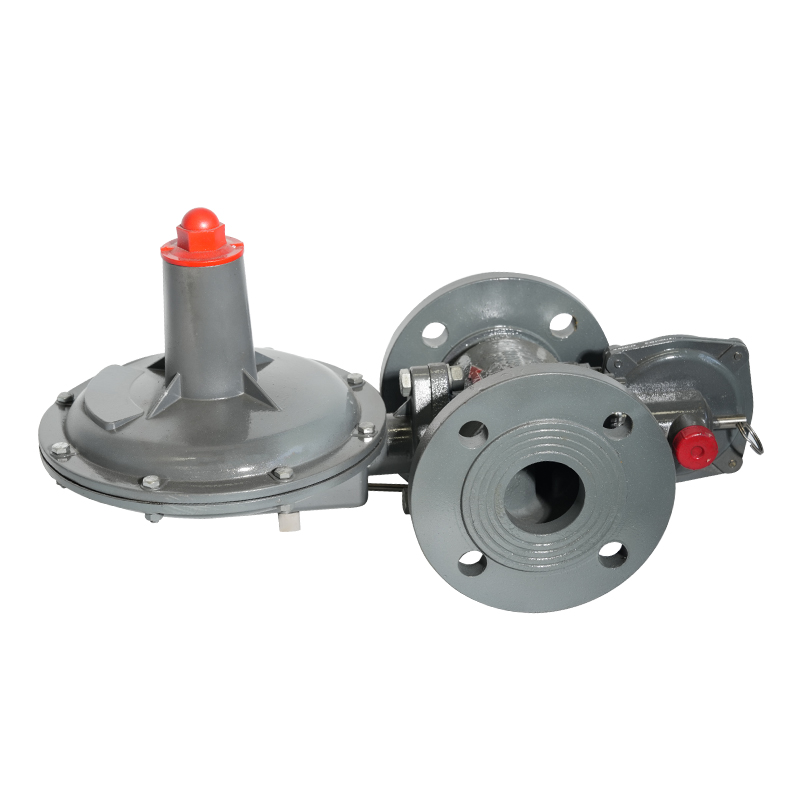
Moderator intra saeptum diaphragmate et veris mechanismo utitur. Cum amni postulant crescit, diaphragma deflectit et sedem valvae aperit, plus gasi transire sinit. Cum postulatio decrescit, fons vis claudit sedem valvae. Haec opiniones ansa conservat exitum pressionis intra cohortis tolerantiae definitae, typice plus vel minus 5 centesimis de statuto puncto, de quibus in EN 334 pro pressionis gasi regulatores.
Key Components intra Gas Pressure Regulans Box
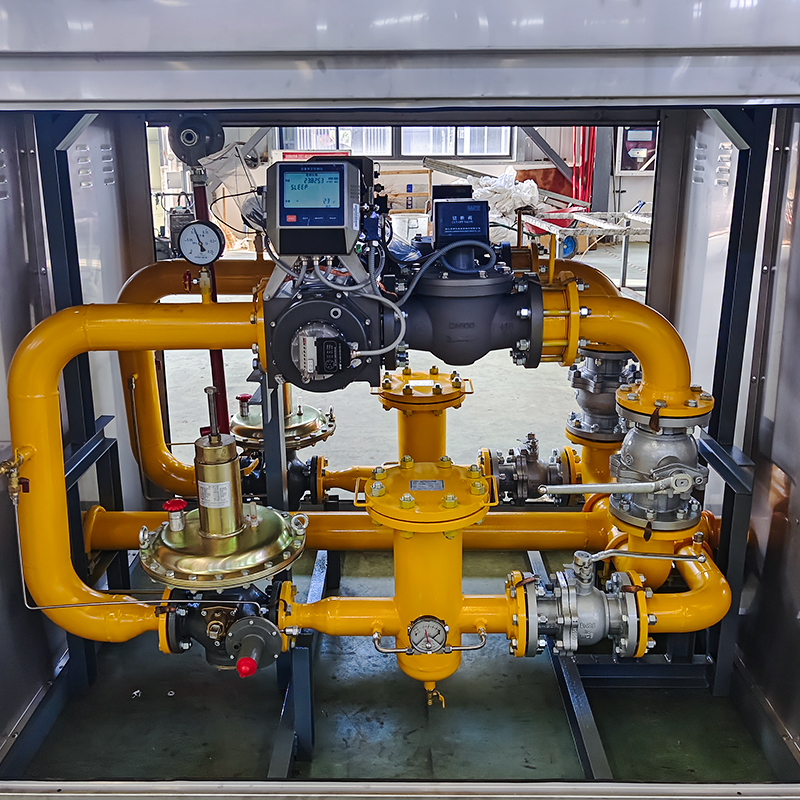
Unitas plene conformatus plures elementa functiones integrat. Quaelibet pars determinatum munus in pressuris potestate, salute et vigilantia inservit. Coetus typicus includit quae sequuntur:
- Valvae pilae limbum: Solitudinem fluminis manualem praebet supplementum ad sustentationem vel subitis shutoff.
- Filtrum vel colum: Obstantia particularia et pipelines removet antequam ordinator gas intrat. Unitates plurimae utuntur elemento 50-micron vel reticulo tenuiore.
- Moderator pressura: In elementum nibh dui. Pressionem fluminis reducit ad pressionem inquisitam traditionis utens diaphragmate valvula actuata.
- Valvae clausae (SSV); Automaticum salus fabrica statim claudit, si exitus pressus superat vel infra terminos presestri decidit. Post manual reset post activation requirit.
- Valvae subsidio: Vectigationis excessus pressionis ad atmosphaeram, si moderatrix super-pressurat lineam amni, impedimento instrumenti damni infertur.
- Pressura METIOR vel transfusor: Monitores tam limbi quam pressionis exitus in tempore reali. Transmittentes electronici efficiunt integrationem remotam SCAD.
- Valvae pila exitus: Solitudinem amni permittit sine turbatione fluminis copia.
Gas Pressure Regulans Box Components et Function
Mensa infra tabulas geographicas quaelibet maioris componentis ad suum ipsum munus et ad vexillum faciendum pertinentes in procuratione specificationum vulgo referuntur.
| Component | Function | Reference Standard |
| Inlet pila valvae | Manuale flumine solitudo | EN 331 / ASME B16.34 |
| Filtrum / colum | Particulare remotionem (micron 50) | EN 14382 |
| Pressura moderatoris | Pressura reductionem et stabilizationem | EN 334/ANSI Z21.80 |
| Adfligendo valvae clausae | Lorem in / sub pressura shutdown | EN 14382 |
| Relevium valvae | Plus pressura instigabant in atmosphaera | EN 12263 |
| Pressura METIOR | Secessus et exitus pressura magna | EN 837-1 |
| Exitus pila valvae | Solitudo amni | EN 331 / ASME B16.34 |
Gas Pressure Regulans Box vs Pressura Reducing Valvae
Quae duo vocabula interdum in documentis acquirendis non technicis permutabiliter adhibentur, sed diversos conventus gradus describent. Valvae pressura reducens (PRV) est una linea fabrica. A Gas pressura regulans arca systema completa est quae cum salute PRV incorporatur, solitudo et vigilantia partium intra claustrum tempestatum repugnans. Differentiae sunt significantes ad systema consilium et obsequium regulatory.
| Feature | Gas Pressura Regulans Box | Pressura Reducing Valvae (standalone) |
| Salus cogitationes includitur | SSV, valvae subsidii, sparguntur | Nulla (separatam institutionem requiritur) |
| Claude praesidium | IP44 ad IP65 rated scrinium | Nulla clausura |
| Vestigium institutionis | Unus murus conscendit vel sepelitur unitas | Inline pipe ecclesiam |
| Regulatory obsequio | Pre-certificatum conventum | Agrum convenerunt certificationem requirit |
| Sustentationem accessum | Unam clausuram omnes partes accessibiles | Distributa per pipeline |
| Typicam applicationem | Aedificium ingressum, dispositionem regionis stationum | Appliance-gradu pressura temperatio |
Materia et clausura signa
Clausura corporis typice ex ferro galvanized, chalybe immaculato, vel polyester fibreglass-foto conficta (FRP). Materia lectio dependet ex institutione ambitus, profunditatis sepulturae, et exspectatio muneris vitae.
Velit Gas Pressure regulantem Box clausura Requirements
An Gas pressura velit regulans clausurae archa pluribus simul necessariis satisfacere debet. Resistere debet mechanica ictum, ingressus humorem, degradationem UV, et cycling scelerisque. In plurimis mercatis Europaeis, saepta debent occurrere ad minimum IP44 tutelae genus per IEC 60529. Exempla subterranea vel semi-sepulta IP67 vel altius exigunt. In mercatis Americae septentrionalis, NEMA 3R vel NEMA 4X ratings aequivalentes gradus tutelae regunt. Aperturae VENTILATIO ampliari debent esse ad coacervationem gasorum ancipitia praeveniendi, exclusis insectis et aquis. Portae clausae faciendae sunt in plurimis codicibus utilitatis et industriae.
Gas Pressure Regulans Box pro Naturali Gas: Application missiones
A Gas pressura regulans arca for natural gas diversis muneribus systematis inservit secundum pressionis ordinem et volumen gasi traditi.
Residentialibus et Commercial Usus
Ad structuram viscus punctum, unitas compacta typice tractat rates fluere ab 6 m3/h ad 25 m3/h et reducere copiam mediae pressionis (0.1 ad 0.4 MPa) ad depressionem distributionis (2,000 Pa). Hae unitates in moenibus exterioribus ascenduntur vel in campestribus cellis constituuntur. Obsequi debent ordinationibus gasis localibus securitatis sicut EN 12007-3 in Europa vel NFPA 54 in America Septentrionali.
Industriae Pipeline Systems
Amplior regio dispositionis stationum manubrium plus 500 m3/h influit et potest inserere dual-train redundantiam, modulorum telemetriam, et clausuras calefactas ad operationem frigidam-climatis. Haec systemata ad retiacula SCAD coniungunt et continuam pressionem ac fluunt notitias centra imperium retis praebent.
Gas Pressure Regulans Box instruitur Requirements
Rectam institutionem et salutem perficiendi et serviendi vitam decernit. Sequentia requisita per compages maxime moderantes applicare et verificari debent contra auctoritatem technicam codicem localem ante procurationem finalem:
- Alvi ex ignitis fontibus: Minima separatio 1 metri ab electricis tabulis, metris, et instrumento flammeo in plerisque codicibus requiritur.
- VENTILATIO: Clausurae evacuatione naturali vel mechanica providere debent aequivalentes ad minimum 1 cento volubilis claustri per hora ad ne gasorum cumulus.
- Fistula subsidium et alignment: Semen et exitus pipework independently sustentari debent ne accentus mechanicas in flanges corporis moderantis.
- Pressura temptationis coram committendo: Tota congregatio debet percurrere experimentum in 1.5 temporibus maximum pressionis operating licita (MAOP) in codicibus pipelinis applicabile.
- Accessus requisita: Porta clausura plene sine impedimento debet aperire. Minimum 600 mm patet zona in fronte scrinii vexillum est in specificationibus utili.
- Fundatio et compages; Clausuras metalla et omnia elementa metallica interna, electricae iungi debent cum aedificio vel systemate pipelino per IEC 60079-14 vel aequivalenti.
- Erugo munimentum unitatibus sepultis; Clausuras subterraneas tutelam catholicam require vel systema coating ad sepulturam directam per NACE SP0169 aestimandam vel aequivalentem.
Procurement Genus pro B2B emptores
Pro distributoribus et redemptoribus ad volumen transeundo, sequentia technicae normae in omni petitione (RFQ) vel specificatione emptionis appareant;
- AESTUARIUM et exitus pressura ratings: Specificare maximum permissam pressionem (MAIP) et exitum pressionem cum cohorte tolerantia requiri.
- Fluere facultatem (Qmax); Statum maximum consilium influunt in m3/h ad condiciones vexillum (0 gradus C, 101.325 kPa).
- Connection amplitudo et vexillum: Specificare magnitudine, rating (exempli causa, DN50 PN16), et vexillum contra (exampla, ASME B16.5 vel EN 1092-1).
- Certification signum: Require CE notationem cum notificato numero corporis mercatus EU, vel AGA/CSA certificationem pro vinculis copia American Septentrionalis Septentrionalis.
- Claude IP aut NEMA rating: Dic minimum praesidii genus requisitum ad institutionem environment.
- Valvae clausae iter occasus adfligendos: Define summus pressus et humilis-pressurae iter liminum et confirmant genus vel manuale vel automatic reset.
- Materiae testimoniales: Petitio EN 10204 3.1 testimoniales materiales partes pressurae portantes in servitio gasorum altorum vel acerbissimorum.
Frequenter Interrogata
1. Quod pressura range facit gas pressura regulans buxum typice tractamus?
Unitates plurimae residentiales et commerciales ab 0.01 MPa ad 0.4 MPa recipiunt et exitu premuntur inter 1,000 Pa et 10,000 Pa. Unitates industriales tractare possunt impulsuum sinum usque ad 1.6 MPa vel superiores. Classis pressionis specificae in nominatione moderatoris insculpitur et debet pressioni instrumenti pipeline inserere. Semper cognoscere maximam licitam pressuram operating ante institutionem.
2. Quoties gas pressionem regulans archa sustentationem requirit?
Plurimum utilitatis et industriae codices annuam inspectionem valvae clausae et functionis valvae subsidio requirunt. Elementa eliquare singulis mensibus XII inspici debent et reponi, cum pressio stilla trans colum excedit 0.5 kPa sub condiciones normales fluxus. Plena opera, incluso diaphragmate et inspectione sedis, singulis annis 3 ad 5 annos fere horarium est, secundum qualitatem gasi et horas operantis.
3. Quid interest inter regulantem activum et monitorem conformationem?
In configuratione monitoris duo regulatores in serie installantur. Unitas fluminis (monitoris) leviter supra punctum operanti positum est. Sub normalibus conditionibus, in amni moderatrix activae pressurae moderatur. Si moderator activus defecerit, monitor automatice occupat, ne nimis pressurizationem systematis amni. Haec figuratio in multis codicibus utilitatis requiritur ad stationes mediae altae pressionis regionis.
4. Potestne gas pressio archa regulantis adhiberi vaporibus praeter gasi naturalem?
Ita. Unitates ad ministerium gas naturale destinatae saepe accommodari possunt ad gasi petrolei liquefacti (LPG), biogas, aliasque vapores cibus non mordax, mutatis internis elastomoribus et vernis. Sed certificatio originalis tantum applicat ad genus gasi in nomine nominationis determinatum. Usus unitatis extra suum genus gasi certificati sine re-certificatione est violatio regulatoria in plerisque iurisdictionibus. Semper confirmamus convenientiam materialem et re- nuntiamus si mutationes gas compositionis.
References
- Committee Europaeae Standardization. EN 334: Gas Pressure Regulators pro Inlet pressuris usque ad 100 talea . CEN, Bruxellis.
- Committee Europaeae Standardization. EN 14382: Safety machinae pro gas Pressure regulantes stationes et Installationes — Gas Pressura Salutis Shut-Off machinae ad Inlet Pressures usque ad 100 vectes . CEN, Bruxellis.
- Committee Europaeae Standardization. EN 12007-3: Gas Infrastructure — Pipelines ad Maximum Operantem Pressura usque ad et comprehendens 16 talea, Pars 3: Imprimis Functionum Requisita pro Ferro . CEN, Bruxellis.
- National Ignis Praesidium Consociationis. NFPA LIV: Code National Fuel Gas . NFPA, Quincy, MA.
- Commissio Electrotechnica Internationalis. IEC (DCV)XXIX: Gradus Praesidium dummodo per clausuras (IP Code) . IEC, Geneva.
- NACE International. SP0169: Imperium Corrosionis externae in subterraneis vel submersis metallicis systematis Piping . NACE, Houston, TX.





Contact Us